41. Why should you keep your vehicle’s turn signal flashing at all times when turning?
- Because it is required by law.
- This lets other drivers know your intention, making the situation safer.
- This can extend the lifespan of the turn signal.
- Because once the turn signal is turned on, it cannot be turned off until the turn is completed.
42. You stop at an intersection to wait because the traffic light turns red. At this moment, a pedestrian ignores the “Don’t Walk” signal and crosses the intersection, and just then the traffic light turns green. What should you do?
- Proceed at a very slow speed and be careful not to hit the pedestrian.
- Remain stopped and wait until the pedestrian has crossed the intersection.
- Honk to warn the pedestrian, then proceed through the intersection at a slow speed.
- Speed up and pass through the intersection before the pedestrian.
43. In what situations are you required to wear a seatbelt?
- Only when riding in a recreational RV (recreational vehicle).
- Only when driving on the highway.
- In all situations, whenever you are sitting inside a motor vehicle.
- Only when driving a large truck.
44. A “safety zone” is a special area for passengers to get on and off buses or streetcars. Under what circumstances are you allowed to drive through a safety zone?
- When no bus or streetcar is using the safety zone.
- When no passengers are getting on or off.
- As a driver, you are not allowed to drive through a safety zone at any time or for any reason.
- When it is not rush hour (morning and evening commute times).
45. When driving, you must pay attention to cyclists riding in the motor vehicle lane because:
- They do not follow traffic rules.
- They have higher right of way.
- They have the right to share the road with motor vehicles.
- They move at a very slow speed.
46. In what situations do you need to check the traffic flow using your rearview mirrors?
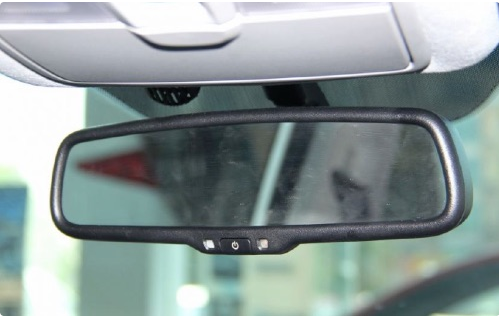
- When reversing, making a sharp turn, or about to go through an intersection.
- When reversing, changing lanes, or about to slow down quickly.
- When changing lanes, crossing an intersection, or about to slow down quickly.
- When turning, parking, or about to overtake another vehicle.
47. Which of the following statements is correct?
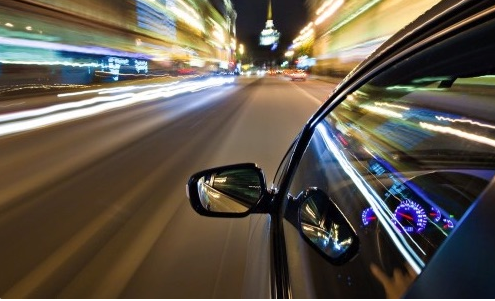
- There is no minimum speed limit on California highways.
- The faster the vehicle speed, the harder it is to control the vehicle.
- You will be fined if you drive too fast while overtaking another vehicle.
- California law prohibits large trucks from entering highways between 5 a.m. and 7 a.m.
48. Unless otherwise posted, what is the speed limit in a school zone?
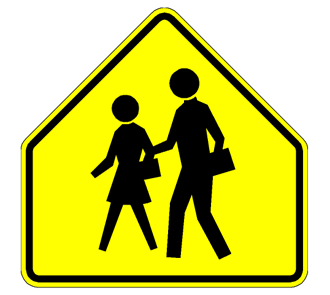
- 15 miles per hour (mph)
- 20 miles per hour (mph)
- 25 miles per hour (mph)
- 30 miles per hour (mph)
49. As shown in the figure, Vehicles A and B arrive at an intersection without traffic signals almost at the same time. Which one should go first?
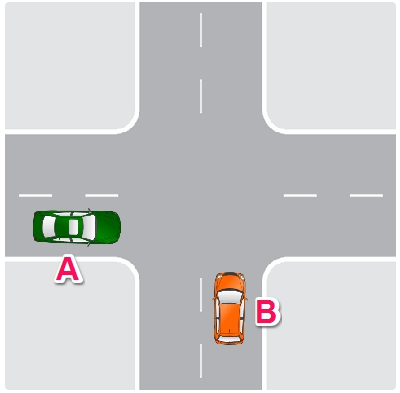
- Vehicle A goes first
- Vehicle B goes first
- The vehicle that turns on its turn signal first goes first.
- The vehicle that is turning goes first.
50. Which is the widely recognized best practice for improving urban traffic conditions?
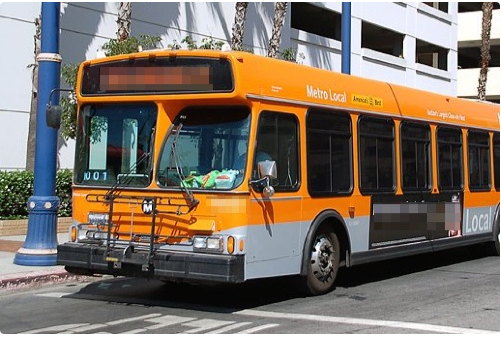
- Abolish speed limits on roads.
- Promote and develop public transportation.
- Ban out-of-town vehicles from entering the city.
- Increase the consumption tax on fuel.
51. Which of the following descriptions about “blind spots” is correct?
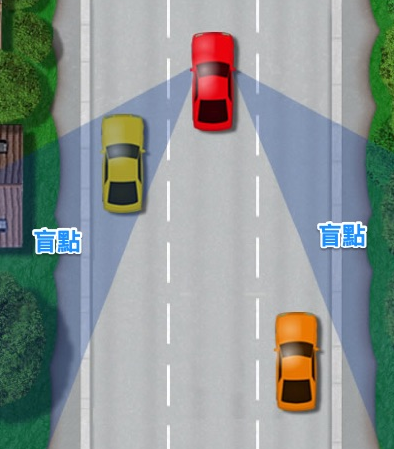
- Whether you plan to switch lanes to the left or right, you should look over your right shoulder to check the road conditions behind you.
- If you plan to switch lanes to the right, you need to look over your right shoulder; conversely, if you plan to switch lanes to the left, you need to look over your left shoulder.
- It is sufficient to check the rearview mirrors; there is no need to pay excessive attention to blind spots.
- Only large trucks with long bodies have blind spots.
52. Which of the following descriptions about drugs and driving is correct?
- Most common drugs used to treat headaches or colds can cause drowsiness in drivers.
- Drinking alcohol while taking medication will enhance the effectiveness of the medication.
- As long as it is a prescription drug prescribed by a doctor, it means you can take it at any time.
- As long as it is not an illegal drug, it will not affect the driver’s physical condition.
53. Under what circumstances are you allowed to “double park”?
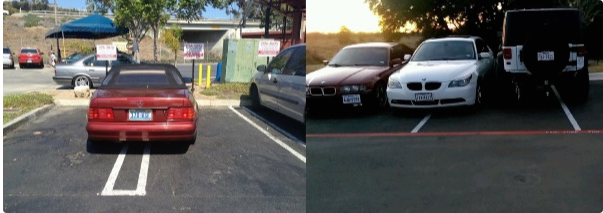
- You are not allowed to double park at any time; it is illegal.
- Only when you are making a delivery.
- Only when you are waiting in the vehicle.
- Only when you cannot find a parking space.
54. To avoid being hit by a vehicle behind you, you should:
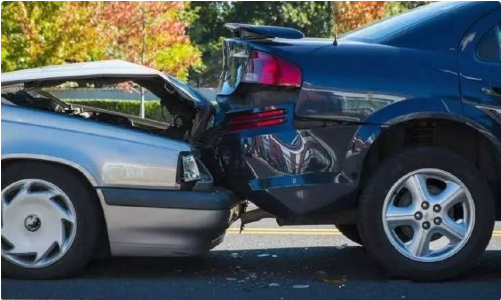
- Drive at a speed lower than the surrounding traffic flow.
- Turn on your turn signal at least 100 feet before making a turn.
- Turn on your hazard lights (double flashers) at least 200 feet before making a turn.
- Honk to warn the vehicle behind you whenever you notice it is too close.
55. According to California law, under what circumstances will a police officer fine you for having an opened alcoholic beverage container in your vehicle?
- You will be fined at all times.
- If the alcoholic beverage container is not placed in the vehicle’s trunk.
- California has no such law at all.
- If you are pulled over by a police officer on the highway.
56. If you suddenly get a flat tire while driving and have to stop for help, where is the correct place to park?
- Park in the rightmost lane.
- Move off the road and park on the shoulder.
- Park in the center of the intersection.
- Park near the crosswalk.
57. If you pass a car accident scene and want to stop to help, where is the correct place to park?
- First drive past the accident scene, then find a suitable place to park.
- Park next to the accident scene.
- Park before the accident scene to warn vehicles coming from behind.
- Call the police to ask for advice on the most suitable place.
58. Why do passengers other than the driver also need to fasten their seatbelts?
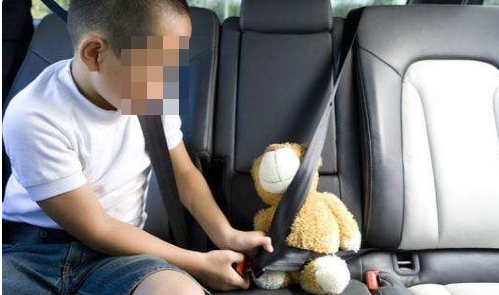
- Seatbelts can prevent passengers from getting out of the vehicle without permission.
- It is required by California law.
- This is a myth; passengers do not need to wear seatbelts at all.
- Seatbelts can prevent passengers from getting carsick.
59. When you want to merge into the traffic flow on the highway, what is the best speed to maintain?
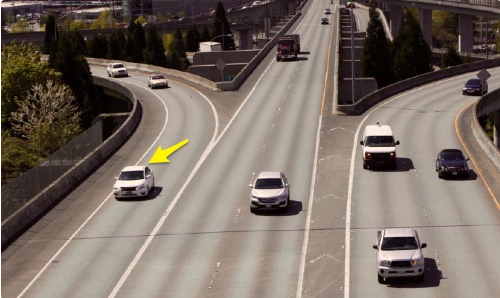
- The maximum speed allowed by law.
- The same speed as the traffic flow on the highway.
- A speed slightly slower than the traffic flow on the highway.
- Speed is not important; just remember to honk to warn other traffic.
60. When you drive to an intersection and find that the traffic light is broken, what should you do?
- First stop, then proceed after confirming it is safe.
- First slow down, and stop if necessary.
- Only stop if there are other vehicles present.
- Continue driving at your current speed.
转载请注明:美国加州驾照笔试题库 » California DMV Written Test Questions (41-60)